Designing Vibrant City Areas and Public Plazas
Creating vibrant and inviting city spaces is essential for fostering a sense of community and enhancing the quality of urban life. Public plazas, in particular, play a crucial role in providing residents and visitors with areas to socialize, relax, and engage in various activities. Designing these spaces requires careful planning, consideration of functionality, aesthetics, and the needs of the people who will use them.
The Importance of Public Plazas
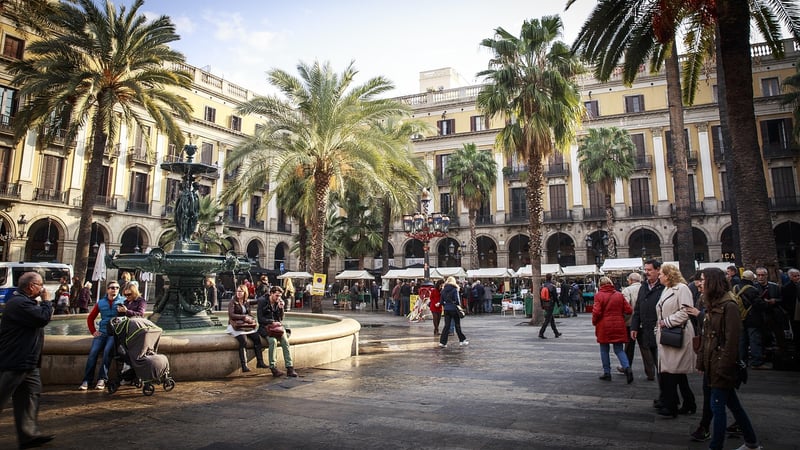
Public plazas serve as gathering points where people can come together, interact, and enjoy a sense of belonging. These spaces contribute to the social fabric of a city and offer opportunities for cultural events, markets, performances, and other community activities. Additionally, public plazas help improve pedestrian flow, provide green spaces, and enhance the overall urban experience.
Key Elements of Vibrant City Areas
When designing vibrant city areas and public plazas, several key elements should be considered:
- Accessibility: Ensure that the space is easily accessible to all, including individuals with disabilities.
- Seating and Greenery: Incorporate seating areas and green spaces to provide comfort and visual appeal.
- Art and Design: Integrate art installations, sculptures, and aesthetically pleasing design elements to enhance the ambiance.
- Water Features: Consider adding water features like fountains or reflecting pools to create a calming effect.
- Programming: Plan for events, performances, and activities to keep the space lively and engaging throughout the year.
Examples of Successful Public Plazas
Several cities around the world are known for their vibrant public plazas that have become iconic gathering spots:
- Piazza San Marco, Venice, Italy: This historic square is famous for its stunning architecture, outdoor cafes, and lively atmosphere.
- Bryant Park, New York City, USA: A green oasis in the heart of Manhattan offering a range of activities and events for visitors.
- Time Out Market, Lisbon, Portugal: A food and cultural market located in a reimagined historic building, attracting locals and tourists alike.
Conclusion
Designing vibrant city areas and public plazas is a collaborative effort that involves urban planners, architects, community members, and local authorities. By incorporating elements that promote interaction, creativity, and a sense of place, these spaces can become vibrant hubs that enrich the urban experience for all.